• GLOBAL MONEY: HOW EXCHANGE RATES, INFLATION, AND INTEREST RATES AFFECT YOUR SAVINGS

    Have you ever noticed that your money seems to “buy less” over time? Or that when you travel, your home currency feels weaker or stronger depending on the country? That’s the power of exchange rates, inflation, and interest rates at work.

    In this guide, we’ll break down what these terms mean, how they’re connected, and why they matter for your savings.


    What Are Exchange Rates?

    An exchange rate tells you how much one currency is worth compared to another. For example:

    • $1 USD = €0.90 EUR
    • $1 USD = 140 JPY

    When your home currency is strong, your money goes further abroad. When it’s weak, travel and imports cost more.

    Think of it like a seesaw: if one currency goes up, the other usually goes down.


    What Is Inflation?

    Inflation is the rise in prices over time. In other words, your money loses purchasing power.

    For example:

    • In 2000, a movie ticket in the U.S. cost about $5.
    • Today, the same ticket might cost $12.

    The ticket didn’t get better—it just became more expensive because of inflation.


    What Are Interest Rates?

    An interest rate is the cost of borrowing money—or the reward for saving it. Central banks (like the U.S. Federal Reserve or the European Central Bank) set base interest rates that affect:

    • Loans: Higher rates = more expensive mortgages and car loans.
    • Savings: Higher rates = more money earned in savings accounts.

    Why Do They Matter for Your Savings?

    FactorImpact on SavingsExample
    Exchange RatesCan reduce or increase value if you hold foreign currencyTraveling to Europe when the euro is stronger costs you more
    InflationEats away at your money’s buying power$100 today won’t buy the same amount in 10 years
    Interest RatesDecide how fast your savings grow5% interest account doubles your money in ~14 years

    When combined, these forces shape the “real value” of your money over time.


    Common Mistakes to Avoid

    • Keeping all money in cash: Inflation will shrink its value over time.
    • Ignoring currency changes when traveling: Exchange rates can make trips more expensive than planned.
    • Not shopping for better savings rates: Some banks offer 0.1%, others 4%+—big difference.

    Pro Tips

    • Diversify savings—use both local and international accounts if possible.
    • Consider inflation-protected investments (like TIPS in the U.S.).
    • Use travel cards with low foreign transaction fees when abroad.
    • Track central bank decisions—they often signal future changes in savings rates.

    Final Thoughts

    Exchange rates, inflation, and interest rates may sound like technical terms, but they affect your daily life more than you think. From the cost of groceries to how much your savings grow, these forces decide your money’s true value. By understanding them—and adjusting your financial habits—you can protect your savings and stay ahead of the curve.
  • PASSIVE INCOME FOR BEGINNERS: WHAT ACTUALLY WORKS AND WHAT’S JUST A SCAM

    “Make money while you sleep.” You’ve probably heard this phrase before—it’s the dream of passive income. But not everything that promises easy money is real. Some strategies truly work, while others are scams dressed up as opportunities.

    In this guide, we’ll break down what passive income actually is, which methods are legit, and what red flags to avoid.


    What Is Passive Income?

    Passive income is money you earn without actively trading your time for it every day. Unlike a 9–5 job, where you only earn when you work, passive income can keep flowing even when you’re off the clock.

    Think of it like planting a tree: you put in effort at the start (planting and watering), but later the tree grows and produces fruit with less work.


    Common Passive Income Streams

    MethodWhat It MeansExample in Action
    Investing in Stocks/ETFsBuy shares that grow or pay dividendsS&P 500 index funds
    Real Estate RentalsRent out property for monthly cash flowApartment, Airbnb
    Digital ProductsCreate something once, sell it many timese-books, online courses
    Peer-to-Peer LendingLend money online, earn interestLendingClub, Prosper
    High-Yield Savings or BondsEarn interest on savings4–5% APY savings accounts

    Why Does It Matter?

    Building passive income is important because:

    • It gives you financial security if you lose your main job.
    • It helps you build wealth faster without working more hours.
    • It creates long-term freedom, letting money work for you.

    Common Scams to Avoid

    • Get-rich-quick schemes: Anything promising fast, guaranteed money is usually fake.
    • Multi-level marketing (MLM): Often requires constant recruiting, not true passive income.
    • Crypto “guaranteed return” platforms: If returns are “risk-free” and unusually high, it’s a scam.
    • Overpriced courses: Be cautious of gurus selling $1,000+ courses with no real value.

    Pro Tips

    • Start small—invest only what you can afford to lose.
    • Diversify: don’t rely on just one passive income stream.
    • Reinvest your earnings to grow faster.
    • Be patient—real passive income takes time to build.

    Final Thoughts

    Passive income isn’t magic—it requires upfront effort, smart planning, and patience. But once set up, it can give you financial breathing room and freedom. Focus on proven, realistic methods, avoid scams, and think long term. Over time, those small streams of income can grow into a powerful river.

  • HIDDEN FEES IN BANKING: HOW TO SPOT THEM AND AVOID LOSING MONEY

    Ever looked at your bank statement and wondered, “Where did that $3 fee come from?” You’re not alone. Banks often charge small, sneaky fees that add up over time—sometimes costing you hundreds of dollars a year without you realizing it.

    In this guide, we’ll break down the most common hidden fees, how they work, and what you can do to avoid them.


    What Are Hidden Banking Fees?

    Hidden fees are charges that banks add to your account for services you may not notice—or even use. Unlike obvious costs (like loan interest), hidden fees are usually small, scattered, and easy to miss if you’re not paying attention.

    Think of them as the “fine print” of banking: they look small, but they can eat into your money quickly.


    Common Types of Hidden Fees

    Fee TypeWhat It MeansExample in Action
    ATM FeesUsing an ATM outside your bank’s network$2–$5 per withdrawal
    Overdraft FeesSpending more than you have in your account$35 per overdraft
    Maintenance FeesMonthly charges for “holding” your account$10–$15/month
    Foreign Transaction FeesExtra charges for purchases abroad2–3% of purchase
    Paper Statement FeesPaying for mailed bank statements$2–$5 per month

    Why Do They Matter?

    Even if fees look small, they add up fast. Let’s say you pay:

    • $3 ATM fee × 4 times a month = $144/year
    • $15 maintenance fee × 12 months = $180/year
    • $35 overdraft × 3 times = $105/year

    Total: $429 gone—just from fees! That’s money you could’ve saved or invested.


    Common Mistakes to Avoid

    • Not reading the fine print: Always check your account’s terms before signing up.
    • Using out-of-network ATMs: Plan ahead and withdraw from your bank’s machines.
    • Keeping low balances: Some accounts waive fees only if you keep a minimum balance.
    • Traveling without checking fees: Many banks charge for international use—know before you go.

    Pro Tips

    • Switch to online banks or credit unions—many have zero-fee accounts.
    • Use apps like Mint or Personal Capital to track hidden fees automatically.
    • Call your bank—sometimes they’ll refund a fee if you ask.
    • Set up overdraft protection by linking your checking to savings.

    Final Thoughts

    Banks make billions each year from hidden fees, but you don’t have to be part of that statistic. By knowing what fees exist and how to avoid them, you’ll keep more money in your pocket. Small changes—like using the right ATMs or choosing fee-free accounts—can save you hundreds of dollars a year.

  • HOW FINTECH AND DIGITAL WALLETS ARE CHANGING THE WAY WE MANAGE MONEY

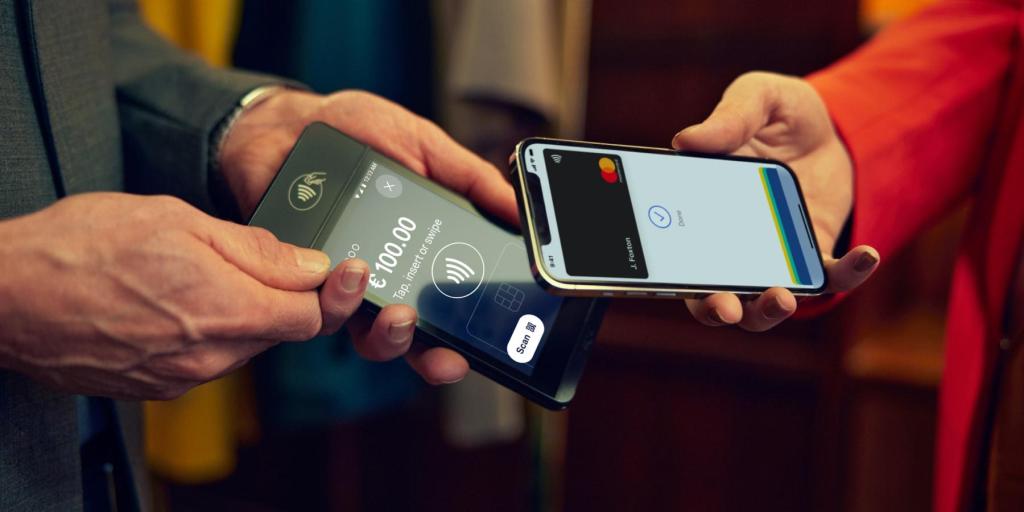
    If you’ve used apps like PayPal, Venmo, Cash App, Revolut, or even Apple Pay, you’ve already experienced fintech (financial technology) in action. These tools are reshaping how we save, spend, and move money. But how exactly do they work—and what makes them different from traditional banks?

    In this guide, we’ll break down what fintech is, how digital wallets work, and why they matter for the future of money.


    What Is Fintech?

    Fintech is short for financial technology—basically, the use of apps, platforms, and digital tools to make banking, payments, and investing easier.

    Instead of visiting a bank branch, fintech lets you handle money straight from your phone. That means faster transactions, lower fees in many cases, and features traditional banks don’t always offer.

    Think of fintech as the “smartphone version” of banking: simpler, more flexible, and always with you.


    What Are Digital Wallets?

    digital wallet is like a virtual version of your wallet. Instead of carrying cash or cards, your phone or smartwatch can store your payment info and let you make transactions securely.

    Here’s what they do:

    FeatureWhat It MeansExample in Action
    Contactless PaymentsPay with your phone/watchTap Apple Pay at a grocery store
    Money TransfersSend/receive money instantlyVenmo a friend for dinner
    Currency ExchangeConvert money at low feesRevolut for travel abroad
    Budgeting & TrackingSee where your money goesPayPal or Wise spending reports

    Why Do They Matter?

    Digital wallets and fintech are more than just convenience—they’re changing the rules of finance.

    BenefitWhy It Matters
    SpeedNo waiting 2–3 days for transfers
    CostLower fees compared to banks
    AccessAnyone with a smartphone can use them—even without a bank account
    SecurityEncrypted payments + biometric logins (face/fingerprint ID)

    For people in countries where traditional banking is expensive or hard to access, fintech provides new financial freedom.


    Common Mistakes to Avoid

    • Relying only on fintech apps: Always keep a backup (like a debit card) in case an app fails.
    • Ignoring fees abroad: Some wallets still charge for international transfers—always check.
    • Forgetting security: If you lose your phone and it’s not locked, someone could access your wallet.

    Pro Tips

    • Link your wallet to a credit card for extra fraud protection.
    • Set up spending alerts so you don’t overspend.
    • Compare apps—some are better for international use (Wise, Revolut), while others shine in peer-to-peer payments (Cash App, Venmo).

    Final Thoughts

    Fintech and digital wallets aren’t just trends—they’re the future of money. They make payments faster, cheaper, and easier, especially for young people and global travelers. But like any tool, you need to use them wisely. By learning how they work now, you’ll be ahead of the curve as money continues to go digital.

  • HOW TO AVOID THE MOST COMMON MONEY MISTAKES IN YOUR 20s

    Your 20s are an exciting time—starting your career, living on your own, maybe traveling or exploring new opportunities. But it’s also the decade when financial habits are formed. The choices you make now can set you up for long-term success—or leave you playing catch-up later.

    This guide covers the most common money mistakes young adults make, and more importantly, how to avoid them.


    Why Your 20s Matter So Much

    Time is your biggest asset when it comes to building wealth. Every dollar saved or invested early has decades to grow. On the flip side, mistakes like debt, overspending, or ignoring savings can snowball quickly.


    The Biggest Money Mistakes in Your 20s

    1. Ignoring an Emergency Fund

    Life is unpredictable—car repairs, medical bills, job changes. Without a cash cushion, these turn into credit card debt fast.

    Fix: Save at least 3–6 months of expenses in a high-yield savings account.


    2. Living Beyond Your Means

    It’s tempting to keep up with friends who seem to have it all—but lifestyle inflation is dangerous.

    Fix: Create a budget that leaves room for fun but also prioritizes savings.


    3. Not Paying Off High-Interest Debt

    Credit cards with 20%+ interest can trap you for years.

    Fix: Pay these off aggressively before focusing on investing.


    4. Putting Off Investing

    “I’ll invest later when I make more money.” This mindset costs you years of compound growth.

    Fix: Even $50–$100 a month invested early makes a huge difference.


    5. Not Tracking Where Your Money Goes

    If you don’t know where your money is going, you can’t control it.

    Fix: Use a simple spreadsheet or app to track income and expenses.


    Quick Checklist: Financial Habits for Your 20s

    ✅ Build an emergency fund
    ✅ Pay off high-interest debt ASAP
    ✅ Start investing early (even small amounts)
    ✅ Budget realistically (not too strict, not too loose)
    ✅ Track expenses monthly
    ✅ Live below your means, not above it
    ✅ Learn about credit and build a good score


    Common Mistakes to Avoid

    • Copying others: Just because friends spend a certain way doesn’t mean you should.
    • Thinking “I’ll save later”: The earlier you start, the easier it is.
    • All-or-nothing budgeting: Balance is key—don’t cut out every fun expense.

    Pro Tips

    • Automate your savings and investments—out of sight, out of mind.
    • Put raises or bonuses toward savings before upgrading your lifestyle.
    • Start small but be consistent—habits matter more than amounts in your 20s.

    Final Thoughts

    Your 20s are a chance to build a strong foundation. Avoiding just a few common mistakes—like debt, overspending, and procrastinating—can save you years of stress later. Focus on building habits now, and your future self will thank you.

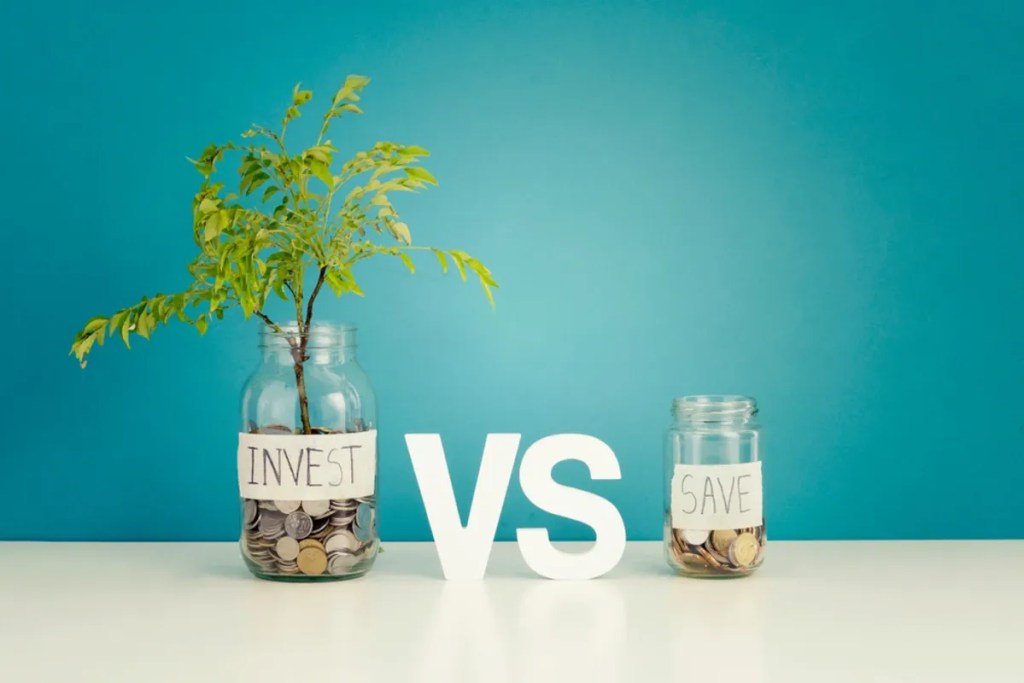
  • INVESTING VS. SAVING: WHICH SHOULD YOU FOCUS ON FIRST?

    When it comes to money, one of the most common questions people ask is: Should I be saving or investing? Both are important, but they serve very different purposes.

    In this guide, we’ll break down the difference between saving and investing, when you should focus on each, and how to balance the two.


    Why This Question Matters

    If you save everything, your money grows slowly—and inflation may even eat away at it. If you invest everything, you risk not having cash available when you really need it. Finding the right balance between the two is the key to financial stability and growth.


    What’s the Difference?

    FeatureSavingInvesting
    PurposeSafety & short-term needsGrowth & long-term wealth
    RiskVery lowMedium to high (depends on investment)
    Returns0.5–3% (typical savings accounts/CDs)Historically 6–10% annually (stocks, funds)
    LiquidityHigh (easy to withdraw)Lower (stocks can drop in value, real estate takes time to sell)
    Best ForEmergencies, big purchases (car, vacation)Retirement, wealth building, beating inflation

    When to Focus on Saving First

    • You don’t have an emergency fund. Experts recommend at least 3–6 months of expenses in cash.
    • You have short-term goals. If you’re buying a car in a year, it’s too risky to invest that money.
    • You have high-interest debt. Paying off credit card debt (20%+ interest) is usually smarter than investing.

    When to Focus on Investing

    • Your emergency fund is set. Once you have a safety cushion, investing makes sense.
    • You’re planning for the long term. Retirement, a child’s education, or long-term wealth goals.
    • You want to beat inflation. Investments historically outpace inflation, while savings accounts often don’t.

    Common Mistakes to Avoid

    • Investing without savings: This leaves you vulnerable to unexpected expenses.
    • Leaving everything in savings long-term: You’ll lose buying power over time.
    • Chasing “get rich quick” investments: Long-term, consistent investing wins every time.

    Pro Tips

    • Build your emergency fund first—it’s your financial safety net.
    • Start investing small amounts early; time in the market matters more than timing the market.
    • Use tax-advantaged accounts if available (like IRAs or 401(k)s in the U.S.).
    • Balance both: Save for short-term goals, invest for long-term growth.

    Final Thoughts

    Saving and investing aren’t enemies—they’re partners. Saving protects you in the short run, while investing grows your wealth for the future. By knowing when to focus on each, you’ll create a balanced plan that keeps you safe today while building financial freedom for tomorrow.

  • CREDIT SCORES EXPLAINED: WHAT THEY ARE AND WHY THEY MATTER

    If you’ve ever applied for a credit card, a car loan, or even tried to rent an apartment, you’ve probably been asked about your credit score. But what exactly is it—and why does it matter so much?

    In this guide, we’ll break down what a credit score is, how it’s calculated, and what you can do to improve yours. By the end, you’ll know how this three-digit number can either open doors—or hold you back.


    What Is a Credit Score?

    A credit score is basically your financial report card. It’s a number (usually between 300 and 850) that lenders use to decide how risky it is to lend you money. The higher your score, the more trustworthy you look.

    Think of it as a shortcut: instead of digging into every detail of your financial history, banks look at this one number to make decisions quickly.


    How Is It Calculated?

    Credit scores are based on your credit report, which is a record of your borrowing and repayment history. Here’s the typical breakdown (using the FICO model, the most common one):

    FactorWeightWhat It MeansExample Impact
    Payment History35%Do you pay bills on time?Missing payments lowers score
    Credit Utilization30%How much of your available credit are you using?Maxed-out cards hurt
    Length of Credit History15%How long have you had accounts?Older accounts help
    Credit Mix10%Do you have a mix of loans and credit cards?Variety can boost score
    New Credit10%Have you applied for lots of new credit recently?Too many applications can hurt

    Why Does It Matter?

    A good credit score can save you thousands of dollars over your lifetime. Here’s how:

    Credit Score RangeRatingTypical Impact
    300–579PoorHard to get approved; very high interest rates
    580–669FairSome approvals; higher interest
    670–739GoodApproved for most loans; decent rates
    740–799Very GoodEasier approvals; lower rates
    800–850ExcellentBest rates, easiest approvals

    Common Mistakes to Avoid

    • Paying late: Even one missed payment can drop your score.
    • Using too much credit: Keep your balances below 30% of your limit.
    • Closing old accounts: Older accounts help your “credit age.” Closing them too soon can hurt.
    • Applying for too many cards at once: Each application lowers your score temporarily.

    Pro Tips

    • Pay your bills on time—set reminders or use autopay.
    • Keep balances low on credit cards.
    • Check your credit report once a year for errors (free at AnnualCreditReport.com in the U.S.).
    • Don’t obsess over small changes—scores fluctuate monthly. Focus on long-term habits.

    Final Thoughts

    Your credit score may just be three digits, but it plays a huge role in your financial life. The good news? It’s not fixed—you can improve it with consistent, smart habits. By understanding how it works and making small changes, you’ll not only save money but also give yourself more financial freedom.

  • THE POWER OF COMPOUND INTEREST: HOW YOUR MONEY GROWS WHILE YOU SLEEP

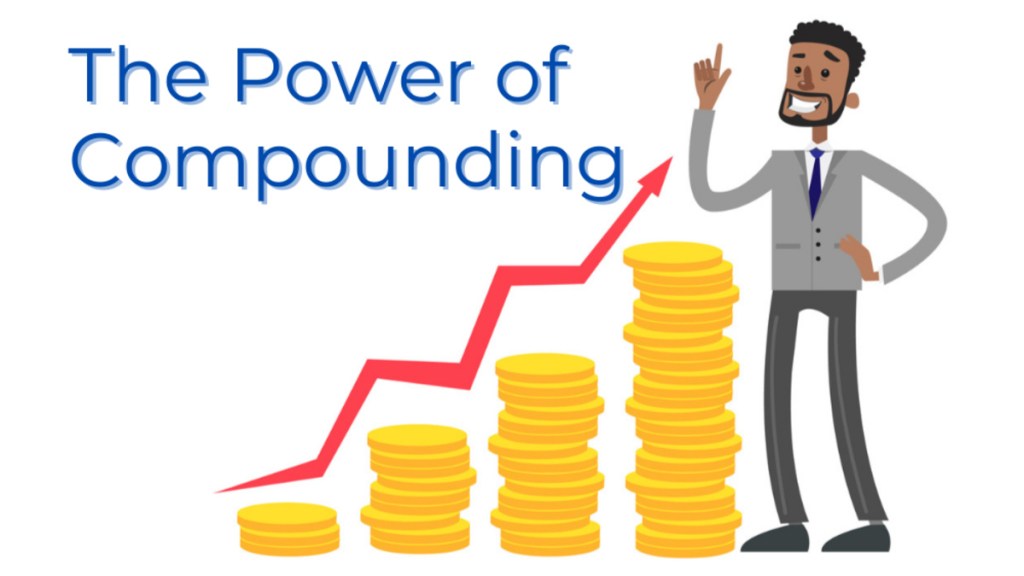
    Have you ever heard someone say, “Let your money work for you” and wondered what that actually means? Most of the time, they’re talking about compound interest—a simple concept that can turn small, regular savings into a surprisingly large amount over time.

    In this guide, we’ll break down what compound interest is, how it works, and why starting early makes a massive difference. By the end, you’ll see why compound interest is often called the “eighth wonder of the world.”


    Why Compound Interest Matters

    Saving money is important—but where and how you save it matters even more. If you simply put your money in a jar, it won’t grow. But when you put it somewhere that earns interest (like a savings account or an investment), your money starts earning extra money. Compound interest takes this one step further: not only do you earn interest on your original deposit, you also earn interest on the interest you’ve already gained.

    That’s where the magic happens.


    What Is Compound Interest?

    Compound interest is interest that builds on itself. Think of it as a snowball rolling down a hill—it keeps picking up more snow as it goes.

    Formula (simplified):
    Future Value = Principal × (1 + Interest Rate) ^ Time

    Example:

    • You save $1,000 in an account with 5% annual interest.
    • After the first year, you have $1,050.
    • In year two, you don’t just earn 5% on $1,000—you earn it on $1,050. That gives you $1,102.50.
    • Keep going, and after 20 years you’ll have $2,653.

    You didn’t add a single extra dollar, but your money more than doubled.


    Why Starting Early Is Everything

    The biggest secret to compound interest is time. The earlier you start, the more chances your money has to “snowball.”

    Imagine two people:

    • Anna invests $200 a month starting at age 20 and stops at age 30.
    • Ben starts investing $200 a month at age 30 and keeps going until age 60.

    Even though Anna only invested for 10 years while Ben invested for 30, Anna ends up with more money at retirement—because her money had more time to compound.


    Common Mistakes to Avoid

    • Waiting too long to start saving: Time is your best friend with compounding.
    • Withdrawing interest too soon: Reinvest it to keep the snowball growing.
    • Ignoring inflation: Pick accounts or investments that grow faster than inflation; otherwise, your money loses value.

    Pro Tips

    • Automate your savings so you never “forget” to invest.
    • Reinvest dividends or interest instead of cashing out.
    • Don’t panic if growth seems slow at first—compound interest is slow in the beginning but explosive later on.

    Final Thoughts

    Compound interest isn’t complicated—it’s just the idea of earning money on money. But when you give it enough time, it can completely change your financial future. Whether you’re saving for retirement, building an emergency fund, or just starting your financial journey, compounding is your most powerful tool.

  • Understanding SWIFT, IBAN, and Routing Numbers: A Simple Guide to Global Banking Transfers

    Have you ever tried to send or receive money internationally, only to get confused by a jumble of terms like SWIFTIBAN, or routing number? You’re not alone. These codes are crucial to ensuring your money gets to the right place—but they’re often poorly explained.

    In this guide, we’ll demystify what these terms mean, how they work, and when you need them. Whether you’re sending money to a friend in Europe or receiving a wire from the U.S., this article will help you understand what’s happening behind the scenes.


    Why Are These Codes Important?

    When you make a domestic transfer, your bank already knows how to route the payment. But when money crosses borders, banks need help identifying where to send it—and which account it belongs to. That’s where SWIFT codes, IBANs, and routing numbers come in.

    Using the wrong code can delay your transfer, result in extra fees, or even send money to the wrong place. Getting it right is essential.


    What Is a SWIFT Code?

    SWIFT stands for Society for Worldwide Interbank Financial Telecommunication. It’s the global system banks use to securely communicate payment instructions. Think of it as a bank’s international phone number.

    Key Details:

    • Format: 8 or 11 characters
      • Example: BOFAUS3NXXX
        • BOFA = Bank of America
        • US = United States
        • 3N = New York location
        • XXX = (optional) branch identifier
    • Purpose: Identifies a specific bank and branch in international transfers.
    • Used In: Virtually all global money transfers—especially SWIFT wires.

    When You Need It:

    You need a SWIFT code any time you send money between two different countries, regardless of currency.


    What Is an IBAN?

    IBAN stands for International Bank Account Number. It’s used primarily in Europe, the Middle East, and parts of Asia. While SWIFT identifies the bank, IBAN identifies the specific account within that bank.

    Key Details:

    • Format: Up to 34 alphanumeric characters, depending on the country
      • Example: DE89 3704 0044 0532 0130 00 (Germany)
        • DE = country code
        • 89 = check digits
        • The rest = account info
    • Purpose: Ensures your money gets into the correct account.
    • Used In: European Union, UK, Middle East, and other regions with IBAN standards.

    When You Need It:

    You’ll need an IBAN if you’re sending money to or within countries that use IBAN. The U.S., Canada, and Australia do not use IBANs but can send to them.


    What Is a Routing Number?

    Routing numbers are used for domestic transfers in the United States. They help U.S. banks identify each other during local transactions, such as direct deposits, check processing, and ACH transfers.

    Key Details:

    • Format: 9-digit numeric code
      • Example: 021000021 (JPMorgan Chase in NY)
    • Purpose: Tells the U.S. banking system where to send money.
    • Used In: U.S. domestic payments only (ACH, checks, wires).

    When You Need It:

    Only when sending or receiving money within the U.S.


    Quick Comparison Table

    FeatureSWIFT CodeIBANRouting Number
    RegionGlobalEurope, Middle East, etc.USA only
    IdentifiesThe bankThe specific accountU.S. bank & branch
    Format8–11 charactersUp to 34 characters9-digit number
    Used ForInternational transfersTransfers into IBAN zonesU.S. domestic transfers

    Common Mistakes to Avoid

    • Mixing up SWIFT and IBAN: One identifies the bank; the other identifies the account.
    • Using a routing number for international transfers: This won’t work outside the U.S.
    • Typos in IBANs or SWIFT codes: These may not be caught automatically and can delay or misroute funds.

    Pro Tips

    • Use your bank’s official website or app to find the correct codes.
    • Ask the recipient to confirm their IBAN or SWIFT code exactly as listed.
    • For international payments, always double-check:
      SWIFT code
      IBAN (if applicable)
      Beneficiary name (must match the account)

    Final Thoughts

    Banking codes like SWIFT, IBAN, and routing numbers might seem technical, but they serve a simple purpose: to make sure your money gets to the right place, safely and efficiently. Whether you’re an individual wiring funds or a business making payroll, understanding these basics can save you time, stress, and sometimes money.

  • Dodd‑Frank Explained: What Changed After the 2008 Crisis

    The Dodd-Frank Wall Street Reform and Consumer Protection Act, often simply called Dodd-Frank, was a sweeping piece of legislation passed in 2010 in response to the 2008 global financial crisis. Its goal? To prevent another near-collapse of the financial system by increasing transparency, reducing systemic risk, and protecting consumers.

    Why Was Dodd-Frank Created?

    The 2008 crisis exposed major weaknesses in how banks were regulated. Some institutions had grown so large and interconnected that their failure threatened the entire financial system—hence the phrase “too big to fail.” Risky mortgage lending, opaque derivatives markets, and inadequate oversight all played a role in the meltdown.

    Dodd-Frank was Congress’s response—a massive reform aimed at:

    • Restraining Wall Street excesses,
    • Increasing transparency in the financial system, and
    • Creating safeguards to protect ordinary consumers and taxpayers.

    Key Components of the Dodd-Frank Act

    1. Creation of the Consumer Financial Protection Bureau (CFPB)

    Arguably the most public-facing element of the law, the CFPB was established to protect consumers from abusive financial practices related to credit cards, mortgages, and loans.

    • Regulates financial products and services.
    • Enforces disclosure requirements and fair lending laws.
    • Centralizes consumer protection into one powerful agency.

    2. The Volcker Rule

    Named after former Fed Chair Paul Volcker, this rule restricts how banks can invest their own money.

    • Prohibits proprietary trading—banks can’t gamble with customer deposits.
    • Limits investments in hedge funds and private equity.
    • Designed to keep banks focused on traditional lending, not risky speculation.

    3. Financial Stability Oversight Council (FSOC)

    This inter-agency body was created to monitor systemic risk and coordinate regulatory efforts.

    • Identifies systemically important financial institutions (SIFIs).
    • Can subject large firms to stricter oversight and capital requirements.
    • Aims to spot emerging risks before they become crises.

    4. Stress Tests & Living Wills

    Banks deemed “too big to fail” are now required to undergo regular health checks and provide blueprints for orderly failure.

    • Stress tests simulate how banks would fare under economic downturns.
    • Living wills are detailed plans for how a bank would be dismantled if it fails—without a taxpayer bailout.

    5. Increased Oversight of Derivatives

    The unregulated derivatives market—especially credit default swaps—was a major contributor to the 2008 collapse.

    • Dodd-Frank requires many derivatives to be traded on exchanges and cleared through central counterparties.
    • This brings transparency and reduces counterparty risk.

    6. Say on Pay & Corporate Governance

    To curb reckless executive compensation, the law requires shareholders to have a non-binding vote on CEO pay.

    • Improves accountability.
    • Public companies must also disclose the ratio between CEO and median employee pay.

    What Changed After 2010?

    While Dodd-Frank brought significant change, it has faced pushback and rollbacks over the years.

    In 2018, Congress passed reforms (under the Economic Growth, Regulatory Relief, and Consumer Protection Act) that:

    • Raised the threshold for SIFI designation from $50 billion to $250 billion in assets.
    • Eased regulations on smaller and regional banks.
    • Provided relief from some of the strictest rules for community banks and credit unions.

    Supporters said this right-sized regulation for small banks. Critics warned it could open the door to another crisis.


    Did It Work?

    Yes—mostly. Since its implementation:

    • Major U.S. banks are better capitalized and more closely monitored.
    • Stress testing has identified weak spots before they become disasters.
    • Consumers are more protected from predatory lending.

    However, critics argue:

    • Dodd-Frank is overly complex and burdensome for smaller institutions.
    • Some large institutions are still “too big to fail.”
    • Enforcement has been uneven depending on the political climate.

    Final Thoughts

    The Dodd-Frank Act was the most comprehensive financial reform since the Great Depression. Whether it went too far or not far enough is still debated—but its legacy is clear: a more stable, better-supervised financial system that is (at least slightly) more consumer-focused.

    In a world where financial markets evolve rapidly and new risks emerge constantly, the principles behind Dodd-Frank—transparency, accountability, and protection—remain more relevant than ever.

Is this your new site? Log in to activate admin features and dismiss this message
Log In