The era prior to the establishment of the federal reserve was marked by prominent panics and economic breakdowns. One example is the Panic of 1907, when the New York Stock Exchange fell nearly 50% and an economic collapse was nearly incited. Banks operated independently, and when general confidence in the banks fell, people rushed to withdraw their money from the banks. There was a clear need for a centralized institution to act as a last resort lender to fund the banks under the case of an emergency.
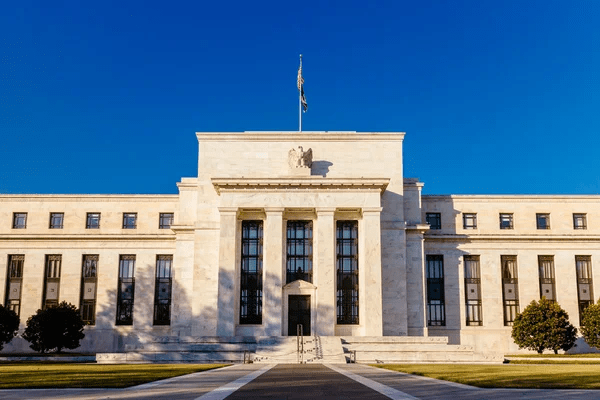
In 1913, congress addressed this issue by passing the Federal Reserve Act, creating the Federal Reserve to stabilize the economy and respond to financial emergencies. The Federal Reserve can directly prevent panics by acting as a “lender of last resort,” providing banks with emergency funding to meet withdrawal demands and maintain public confidence. It also regulates the banking system to prevent risky practices that could trigger crises. Additionally, the Federal Reserve manages monetary policy, using tools like adjusting interest rates and controlling the money supply to promote economic stability and prevent the conditions that lead to widespread financial fear.
Today, the Federal Reserve remains central to avoiding economic panics and maintaining stability. For example, during the 2008 financial crisis, it injected liquidity into the banking system, ensuring banks could continue operating and restoring public trust. Similarly, during the COVID-19 pandemic, it took swift action by lowering interest rates and purchasing assets to stabilize markets and prevent panic-induced collapses. By responding proactively to financial shocks, the Federal Reserve fulfills its original mission of safeguarding the economy from the destructive cycles of panic and instability.
 Talking Finance .