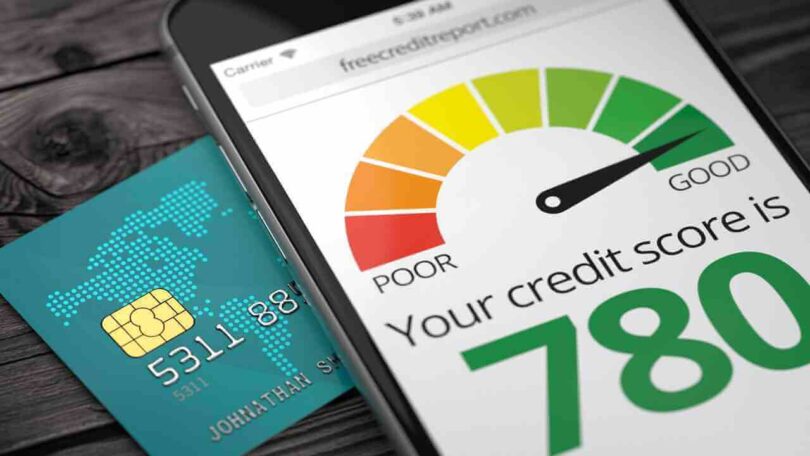
Have you ever checked your credit score and wondered how to improve it? Whether you’re a high school student preparing for financial independence or a university student managing expenses, understanding how to build and maintain a strong credit score is crucial. Your credit score affects everything from loan approvals and credit card interest rates to renting an apartment or even landing a job. The good news? Your bank can be one of the most powerful tools to help you improve your score. Let’s explore how.
Understanding Your Credit Score
A credit score is a numerical representation of your creditworthiness, typically ranging from 300 to 850. The higher your score, the more trustworthy you appear to lenders. Credit scores are determined by several key factors:
- Payment History (35%) – Paying bills on time is the most significant factor in your score.
- Credit Utilization (30%) – This is the percentage of your available credit that you’re using. Keeping it below 30% is ideal.
- Length of Credit History (15%) – The longer your credit accounts have been open, the better.
- Credit Mix (10%) – A diverse mix of credit types, such as credit cards, loans, and mortgages, can boost your score.
- New Credit Inquiries (10%) – Multiple hard credit inquiries in a short period can lower your score.
Set Up Automatic Payments
One of the easiest ways to boost your credit score is by consistently making on-time payments. Since payment history makes up the largest portion of your credit score, even one missed payment can significantly impact it.
Most banks offer automatic payment options for credit cards, student loans, and utility bills. Setting up auto-pay ensures you never miss a due date, protecting your score and preventing late fees. If you’re hesitant about full auto-pay, consider setting up reminders through your bank’s mobile app.
Monitor Your Credit Utilization
Credit utilization refers to how much of your available credit you’re using. Keeping this ratio low—ideally under 30%—can improve your score. Many banks provide tools to track your credit usage in real-time, helping you stay within a healthy limit.
To lower your credit utilization:
- Pay down balances before the statement period ends.
- Request a credit limit increase through your bank (without increasing spending).
- Spread purchases across multiple cards instead of maxing out one.
Banks often allow you to set spending alerts, ensuring you stay within an optimal utilization range.
Use a Secured Credit Card
For students or individuals with little to no credit history, a secured credit card is a great way to start building credit. Unlike regular credit cards, secured cards require a cash deposit as collateral, reducing the risk for lenders.
How it works:
- You deposit an amount (e.g., $500), which becomes your credit limit.
- You use the card like a normal credit card, making small purchases.
- Paying the full balance on time each month establishes a positive credit history.
Over time, responsible use of a secured card can lead to upgrading to an unsecured card, further strengthening your credit profile.
Open a Credit Builder Loan
Some banks and credit unions offer credit builder loans, designed specifically for individuals looking to improve their credit scores. Unlike traditional loans, the borrowed money is held in a secured account while you make monthly payments. Once the loan is repaid, you receive the funds.
Benefits of a credit builder loan:
- Helps establish a history of on-time payments.
- Improves your credit mix, which contributes to your score.
- Builds savings while improving your financial reputation.
This is an excellent option for students with limited credit history.
Use a Personal Loan to Consolidate Debt
If you have multiple high-interest debts, consolidating them into a single personal loan from your bank can simplify your payments and improve your credit score. This strategy offers several benefits, including lower interest rates compared to credit cards, fixed monthly payments that make budgeting easier, and a reduced credit utilization ratio, which can boost your score. Debt consolidation is especially useful for students managing multiple credit cards or personal loans, as it helps streamline finances and create a clear path toward repayment.
The Road to a Strong Credit Score
Improving your credit score is a gradual process, but with smart banking strategies, it becomes much easier. By using automatic payments, keeping credit utilization low, responsibly managing credit cards, and leveraging tools like credit builder loans and personal loans, you can steadily build a strong financial foundation.
Your bank is more than just a place to store money—it’s a valuable partner in your journey to financial independence. Whether you’re just starting out or looking to improve your existing score, these strategies will help you achieve a higher credit score and greater financial stability.
Take advantage of the resources your bank offers and start building your credit today.
 Talking Finance .