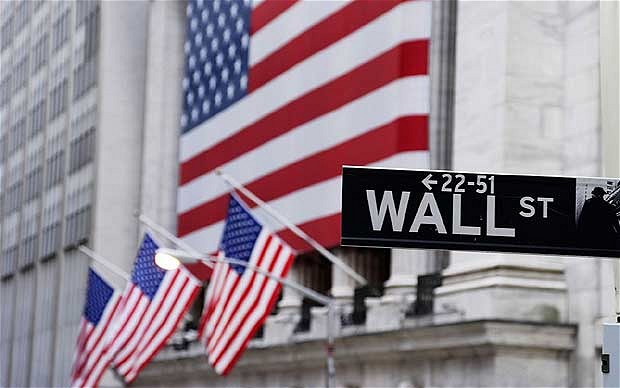
The Dodd-Frank Wall Street Reform and Consumer Protection Act, often simply called Dodd-Frank, was a sweeping piece of legislation passed in 2010 in response to the 2008 global financial crisis. Its goal? To prevent another near-collapse of the financial system by increasing transparency, reducing systemic risk, and protecting consumers.
Why Was Dodd-Frank Created?
The 2008 crisis exposed major weaknesses in how banks were regulated. Some institutions had grown so large and interconnected that their failure threatened the entire financial system—hence the phrase “too big to fail.” Risky mortgage lending, opaque derivatives markets, and inadequate oversight all played a role in the meltdown.
Dodd-Frank was Congress’s response—a massive reform aimed at:
- Restraining Wall Street excesses,
- Increasing transparency in the financial system, and
- Creating safeguards to protect ordinary consumers and taxpayers.
Key Components of the Dodd-Frank Act
1. Creation of the Consumer Financial Protection Bureau (CFPB)
Arguably the most public-facing element of the law, the CFPB was established to protect consumers from abusive financial practices related to credit cards, mortgages, and loans.
- Regulates financial products and services.
- Enforces disclosure requirements and fair lending laws.
- Centralizes consumer protection into one powerful agency.
2. The Volcker Rule
Named after former Fed Chair Paul Volcker, this rule restricts how banks can invest their own money.
- Prohibits proprietary trading—banks can’t gamble with customer deposits.
- Limits investments in hedge funds and private equity.
- Designed to keep banks focused on traditional lending, not risky speculation.
3. Financial Stability Oversight Council (FSOC)
This inter-agency body was created to monitor systemic risk and coordinate regulatory efforts.
- Identifies systemically important financial institutions (SIFIs).
- Can subject large firms to stricter oversight and capital requirements.
- Aims to spot emerging risks before they become crises.
4. Stress Tests & Living Wills
Banks deemed “too big to fail” are now required to undergo regular health checks and provide blueprints for orderly failure.
- Stress tests simulate how banks would fare under economic downturns.
- Living wills are detailed plans for how a bank would be dismantled if it fails—without a taxpayer bailout.
5. Increased Oversight of Derivatives
The unregulated derivatives market—especially credit default swaps—was a major contributor to the 2008 collapse.
- Dodd-Frank requires many derivatives to be traded on exchanges and cleared through central counterparties.
- This brings transparency and reduces counterparty risk.
6. Say on Pay & Corporate Governance
To curb reckless executive compensation, the law requires shareholders to have a non-binding vote on CEO pay.
- Improves accountability.
- Public companies must also disclose the ratio between CEO and median employee pay.
What Changed After 2010?
While Dodd-Frank brought significant change, it has faced pushback and rollbacks over the years.
In 2018, Congress passed reforms (under the Economic Growth, Regulatory Relief, and Consumer Protection Act) that:
- Raised the threshold for SIFI designation from $50 billion to $250 billion in assets.
- Eased regulations on smaller and regional banks.
- Provided relief from some of the strictest rules for community banks and credit unions.
Supporters said this right-sized regulation for small banks. Critics warned it could open the door to another crisis.
Did It Work?
Yes—mostly. Since its implementation:
- Major U.S. banks are better capitalized and more closely monitored.
- Stress testing has identified weak spots before they become disasters.
- Consumers are more protected from predatory lending.
However, critics argue:
- Dodd-Frank is overly complex and burdensome for smaller institutions.
- Some large institutions are still “too big to fail.”
- Enforcement has been uneven depending on the political climate.
Final Thoughts
The Dodd-Frank Act was the most comprehensive financial reform since the Great Depression. Whether it went too far or not far enough is still debated—but its legacy is clear: a more stable, better-supervised financial system that is (at least slightly) more consumer-focused.
In a world where financial markets evolve rapidly and new risks emerge constantly, the principles behind Dodd-Frank—transparency, accountability, and protection—remain more relevant than ever.
 Talking Finance .