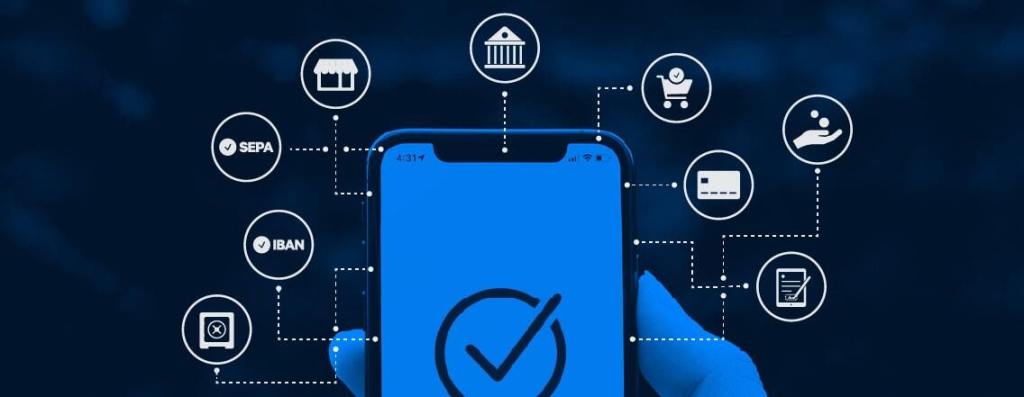
When you hear “open banking,” it might sound technical or invasive—but it’s simply a new way for banks to let customers securely share their financial data with third-party services. Open banking makes your personal accounts more interoperable, paving the way for smarter apps and more user control.
What Open Banking Means
Open banking uses secure APIs to let third-party providers (with your permission) access your financial data—such as account balances, transaction history, and payment capabilities. Unlike sharing passwords, APIs enable controlled and audited data sharing.
How It Works
- API access replaces screen scraping.
- You can authorize apps to read data or initiate payments.
- Banks log these requests, ensuring transparency and consent.
Why It Matters
- For consumers: Get smarter budgeting tools, easier loan applications, and more seamless money management.
- For businesses: Build richer financial products (e.g., tools that auto-categorize expenses, forecast cash flow).
- For banks: Shift to providing tools and analytics rather than just storing money.
Real-World Example
Citizens Bank launched a secure open banking API in March 2025. It helped cut screen scraping by 95%, boosting security and enabling real-time invoicing and financial planning tools blog.genome.eubusinessinsider.com.
Challenges & the Road Ahead
- Privacy concerns: Who else can access or monetize your data?
- Regulation: Europe and the UK led the charge; the US is behind but catching up.
- Scope expansion: Look out for APIs enabling investment, mortgage, and insurance data in the future.
Final Thoughts:
Open banking is transforming finance by putting control in the hands of consumers and enabling innovation through data sharing. As regulations evolve and more banks join in, expect richer, smarter services across the board.
 Talking Finance .