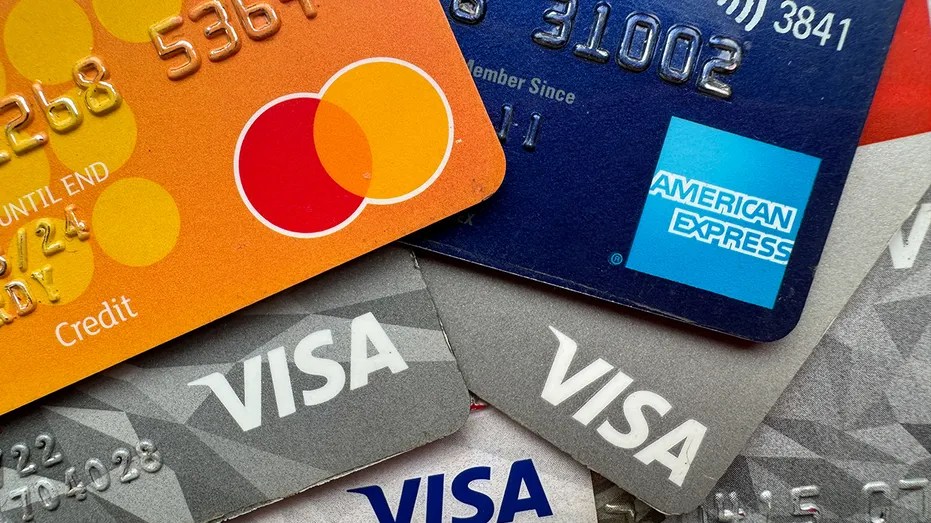
If you’ve ever applied for a credit card, a car loan, or even tried to rent an apartment, you’ve probably been asked about your credit score. But what exactly is it—and why does it matter so much?
In this guide, we’ll break down what a credit score is, how it’s calculated, and what you can do to improve yours. By the end, you’ll know how this three-digit number can either open doors—or hold you back.
What Is a Credit Score?
A credit score is basically your financial report card. It’s a number (usually between 300 and 850) that lenders use to decide how risky it is to lend you money. The higher your score, the more trustworthy you look.
Think of it as a shortcut: instead of digging into every detail of your financial history, banks look at this one number to make decisions quickly.
How Is It Calculated?
Credit scores are based on your credit report, which is a record of your borrowing and repayment history. Here’s the typical breakdown (using the FICO model, the most common one):
| Factor | Weight | What It Means | Example Impact |
|---|---|---|---|
| Payment History | 35% | Do you pay bills on time? | Missing payments lowers score |
| Credit Utilization | 30% | How much of your available credit are you using? | Maxed-out cards hurt |
| Length of Credit History | 15% | How long have you had accounts? | Older accounts help |
| Credit Mix | 10% | Do you have a mix of loans and credit cards? | Variety can boost score |
| New Credit | 10% | Have you applied for lots of new credit recently? | Too many applications can hurt |
Why Does It Matter?
A good credit score can save you thousands of dollars over your lifetime. Here’s how:
| Credit Score Range | Rating | Typical Impact |
|---|---|---|
| 300–579 | Poor | Hard to get approved; very high interest rates |
| 580–669 | Fair | Some approvals; higher interest |
| 670–739 | Good | Approved for most loans; decent rates |
| 740–799 | Very Good | Easier approvals; lower rates |
| 800–850 | Excellent | Best rates, easiest approvals |
Common Mistakes to Avoid
- Paying late: Even one missed payment can drop your score.
- Using too much credit: Keep your balances below 30% of your limit.
- Closing old accounts: Older accounts help your “credit age.” Closing them too soon can hurt.
- Applying for too many cards at once: Each application lowers your score temporarily.
Pro Tips
- Pay your bills on time—set reminders or use autopay.
- Keep balances low on credit cards.
- Check your credit report once a year for errors (free at AnnualCreditReport.com in the U.S.).
- Don’t obsess over small changes—scores fluctuate monthly. Focus on long-term habits.
Final Thoughts
Your credit score may just be three digits, but it plays a huge role in your financial life. The good news? It’s not fixed—you can improve it with consistent, smart habits. By understanding how it works and making small changes, you’ll not only save money but also give yourself more financial freedom.
 Talking Finance .