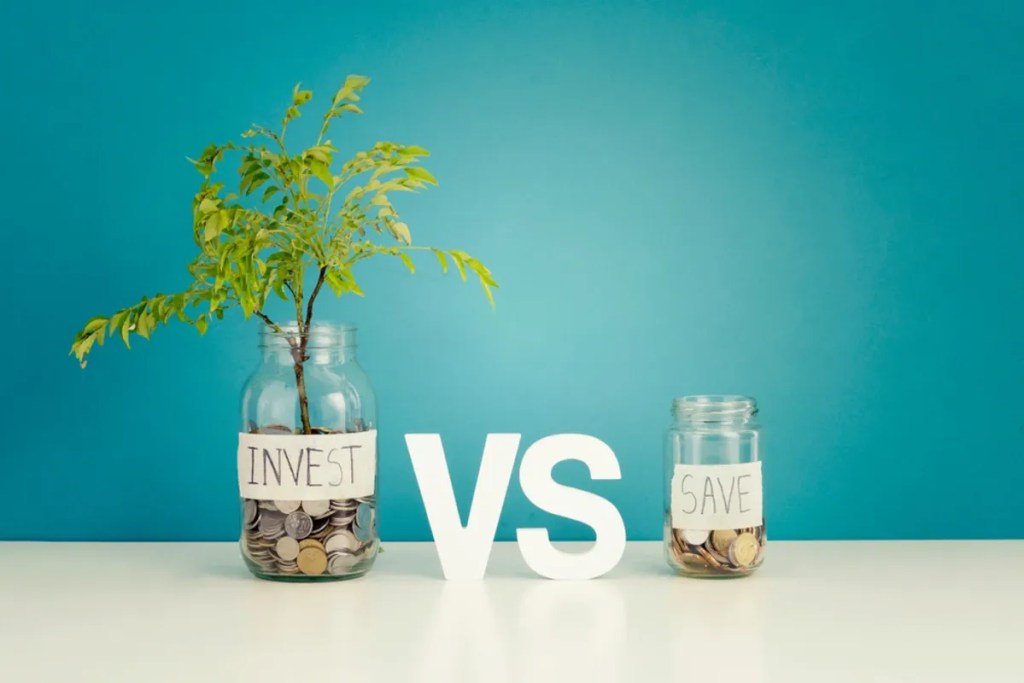
When it comes to money, one of the most common questions people ask is: Should I be saving or investing? Both are important, but they serve very different purposes.
In this guide, we’ll break down the difference between saving and investing, when you should focus on each, and how to balance the two.
Why This Question Matters
If you save everything, your money grows slowly—and inflation may even eat away at it. If you invest everything, you risk not having cash available when you really need it. Finding the right balance between the two is the key to financial stability and growth.
What’s the Difference?
| Feature | Saving | Investing |
|---|---|---|
| Purpose | Safety & short-term needs | Growth & long-term wealth |
| Risk | Very low | Medium to high (depends on investment) |
| Returns | 0.5–3% (typical savings accounts/CDs) | Historically 6–10% annually (stocks, funds) |
| Liquidity | High (easy to withdraw) | Lower (stocks can drop in value, real estate takes time to sell) |
| Best For | Emergencies, big purchases (car, vacation) | Retirement, wealth building, beating inflation |
When to Focus on Saving First
- You don’t have an emergency fund. Experts recommend at least 3–6 months of expenses in cash.
- You have short-term goals. If you’re buying a car in a year, it’s too risky to invest that money.
- You have high-interest debt. Paying off credit card debt (20%+ interest) is usually smarter than investing.
When to Focus on Investing
- Your emergency fund is set. Once you have a safety cushion, investing makes sense.
- You’re planning for the long term. Retirement, a child’s education, or long-term wealth goals.
- You want to beat inflation. Investments historically outpace inflation, while savings accounts often don’t.
Common Mistakes to Avoid
- Investing without savings: This leaves you vulnerable to unexpected expenses.
- Leaving everything in savings long-term: You’ll lose buying power over time.
- Chasing “get rich quick” investments: Long-term, consistent investing wins every time.
Pro Tips
- Build your emergency fund first—it’s your financial safety net.
- Start investing small amounts early; time in the market matters more than timing the market.
- Use tax-advantaged accounts if available (like IRAs or 401(k)s in the U.S.).
- Balance both: Save for short-term goals, invest for long-term growth.
Final Thoughts
Saving and investing aren’t enemies—they’re partners. Saving protects you in the short run, while investing grows your wealth for the future. By knowing when to focus on each, you’ll create a balanced plan that keeps you safe today while building financial freedom for tomorrow.
 Talking Finance .