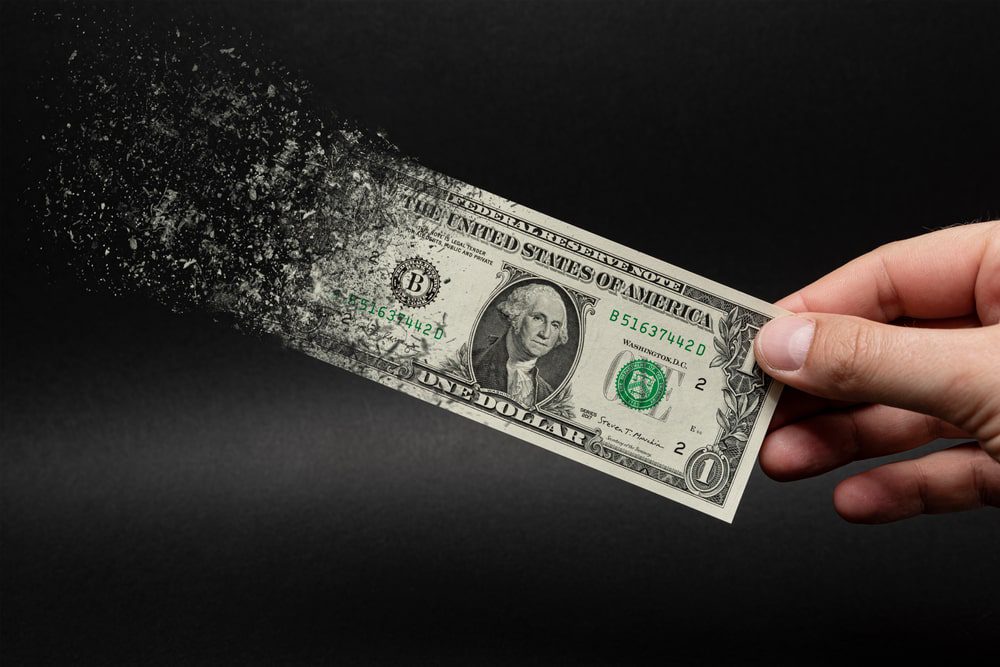
Have you ever noticed that your money seems to “buy less” over time? Or that when you travel, your home currency feels weaker or stronger depending on the country? That’s the power of exchange rates, inflation, and interest rates at work.
In this guide, we’ll break down what these terms mean, how they’re connected, and why they matter for your savings.
What Are Exchange Rates?
An exchange rate tells you how much one currency is worth compared to another. For example:
- $1 USD = €0.90 EUR
- $1 USD = 140 JPY
When your home currency is strong, your money goes further abroad. When it’s weak, travel and imports cost more.
Think of it like a seesaw: if one currency goes up, the other usually goes down.
What Is Inflation?
Inflation is the rise in prices over time. In other words, your money loses purchasing power.
For example:
- In 2000, a movie ticket in the U.S. cost about $5.
- Today, the same ticket might cost $12.
The ticket didn’t get better—it just became more expensive because of inflation.
What Are Interest Rates?
An interest rate is the cost of borrowing money—or the reward for saving it. Central banks (like the U.S. Federal Reserve or the European Central Bank) set base interest rates that affect:
- Loans: Higher rates = more expensive mortgages and car loans.
- Savings: Higher rates = more money earned in savings accounts.
Why Do They Matter for Your Savings?
| Factor | Impact on Savings | Example |
|---|---|---|
| Exchange Rates | Can reduce or increase value if you hold foreign currency | Traveling to Europe when the euro is stronger costs you more |
| Inflation | Eats away at your money’s buying power | $100 today won’t buy the same amount in 10 years |
| Interest Rates | Decide how fast your savings grow | 5% interest account doubles your money in ~14 years |
When combined, these forces shape the “real value” of your money over time.
Common Mistakes to Avoid
- Keeping all money in cash: Inflation will shrink its value over time.
- Ignoring currency changes when traveling: Exchange rates can make trips more expensive than planned.
- Not shopping for better savings rates: Some banks offer 0.1%, others 4%+—big difference.
Pro Tips
- Diversify savings—use both local and international accounts if possible.
- Consider inflation-protected investments (like TIPS in the U.S.).
- Use travel cards with low foreign transaction fees when abroad.
- Track central bank decisions—they often signal future changes in savings rates.
Final Thoughts
Exchange rates, inflation, and interest rates may sound like technical terms, but they affect your daily life more than you think. From the cost of groceries to how much your savings grow, these forces decide your money’s true value. By understanding them—and adjusting your financial habits—you can protect your savings and stay ahead of the curve.
 Talking Finance .