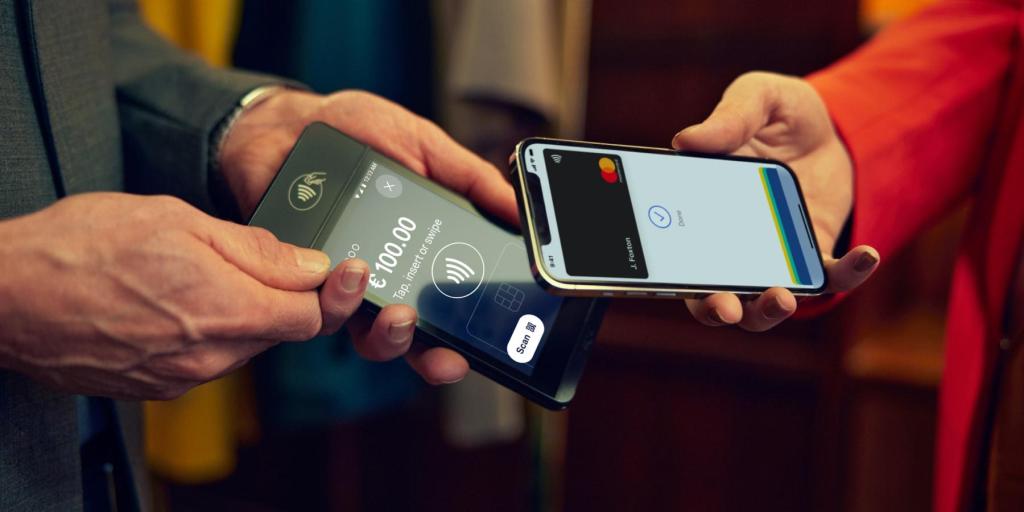
If you’ve used apps like PayPal, Venmo, Cash App, Revolut, or even Apple Pay, you’ve already experienced fintech (financial technology) in action. These tools are reshaping how we save, spend, and move money. But how exactly do they work—and what makes them different from traditional banks?
In this guide, we’ll break down what fintech is, how digital wallets work, and why they matter for the future of money.
What Is Fintech?
Fintech is short for financial technology—basically, the use of apps, platforms, and digital tools to make banking, payments, and investing easier.
Instead of visiting a bank branch, fintech lets you handle money straight from your phone. That means faster transactions, lower fees in many cases, and features traditional banks don’t always offer.
Think of fintech as the “smartphone version” of banking: simpler, more flexible, and always with you.
What Are Digital Wallets?
A digital wallet is like a virtual version of your wallet. Instead of carrying cash or cards, your phone or smartwatch can store your payment info and let you make transactions securely.
Here’s what they do:
| Feature | What It Means | Example in Action |
|---|---|---|
| Contactless Payments | Pay with your phone/watch | Tap Apple Pay at a grocery store |
| Money Transfers | Send/receive money instantly | Venmo a friend for dinner |
| Currency Exchange | Convert money at low fees | Revolut for travel abroad |
| Budgeting & Tracking | See where your money goes | PayPal or Wise spending reports |
Why Do They Matter?
Digital wallets and fintech are more than just convenience—they’re changing the rules of finance.
| Benefit | Why It Matters |
|---|---|
| Speed | No waiting 2–3 days for transfers |
| Cost | Lower fees compared to banks |
| Access | Anyone with a smartphone can use them—even without a bank account |
| Security | Encrypted payments + biometric logins (face/fingerprint ID) |
For people in countries where traditional banking is expensive or hard to access, fintech provides new financial freedom.
Common Mistakes to Avoid
- Relying only on fintech apps: Always keep a backup (like a debit card) in case an app fails.
- Ignoring fees abroad: Some wallets still charge for international transfers—always check.
- Forgetting security: If you lose your phone and it’s not locked, someone could access your wallet.
Pro Tips
- Link your wallet to a credit card for extra fraud protection.
- Set up spending alerts so you don’t overspend.
- Compare apps—some are better for international use (Wise, Revolut), while others shine in peer-to-peer payments (Cash App, Venmo).
Final Thoughts
Fintech and digital wallets aren’t just trends—they’re the future of money. They make payments faster, cheaper, and easier, especially for young people and global travelers. But like any tool, you need to use them wisely. By learning how they work now, you’ll be ahead of the curve as money continues to go digital.
 Talking Finance .