Talking Finance .
A blog about business & finance
recent posts
- GLOBAL MONEY: HOW EXCHANGE RATES, INFLATION, AND INTEREST RATES AFFECT YOUR SAVINGS
- PASSIVE INCOME FOR BEGINNERS: WHAT ACTUALLY WORKS AND WHAT’S JUST A SCAM
- HIDDEN FEES IN BANKING: HOW TO SPOT THEM AND AVOID LOSING MONEY
- HOW FINTECH AND DIGITAL WALLETS ARE CHANGING THE WAY WE MANAGE MONEY
- HOW TO AVOID THE MOST COMMON MONEY MISTAKES IN YOUR 20s
about
Category: Banking
-
If you’ve ever applied for a credit card, a car loan, or even tried to rent an apartment, you’ve probably been asked about your credit score. But what exactly is it—and why does it matter so much? In this guide, we’ll break down what a credit score is, how it’s calculated, and what you can do…
-
Have you ever tried to send or receive money internationally, only to get confused by a jumble of terms like SWIFT, IBAN, or routing number? You’re not alone. These codes are crucial to ensuring your money gets to the right place—but they’re often poorly explained. In this guide, we’ll demystify what these terms mean, how they work, and…
-
The Dodd-Frank Wall Street Reform and Consumer Protection Act, often simply called Dodd-Frank, was a sweeping piece of legislation passed in 2010 in response to the 2008 global financial crisis. Its goal? To prevent another near-collapse of the financial system by increasing transparency, reducing systemic risk, and protecting consumers. Why Was Dodd-Frank Created? The 2008 crisis exposed…
-
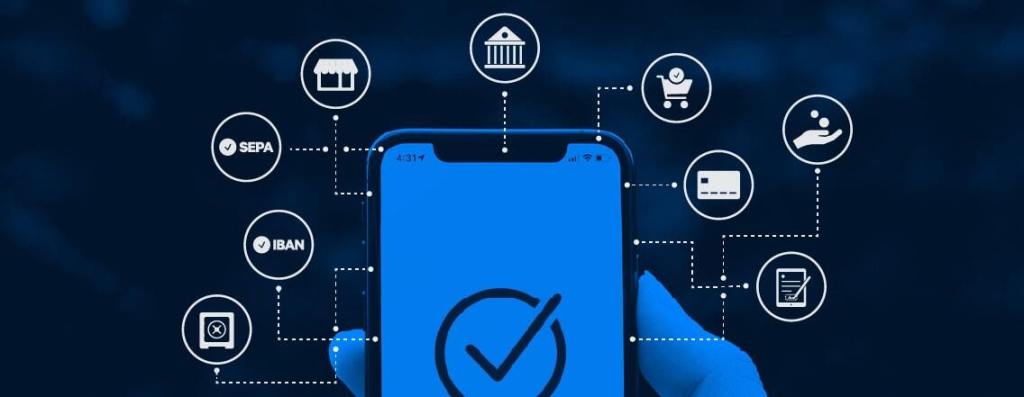
When you hear “open banking,” it might sound technical or invasive—but it’s simply a new way for banks to let customers securely share their financial data with third-party services. Open banking makes your personal accounts more interoperable, paving the way for smarter apps and more user control. What Open Banking Means Open banking uses secure…
-
Understanding the Banking Shift Banking has evolved rapidly in the digital age. While traditional banks have long dominated the financial landscape, a new wave of digital-only financial institutions—known as neo-banks—has emerged and gained popularity, especially among younger, tech-savvy users. But what exactly sets them apart? This blog explores the differences between neo-banks and traditional banks, including…
-

When you hear the term “shadow banking,” it might sound like something secretive or even illegal. But shadow banking is neither illegal nor necessarily shady — it’s simply a term used to describe financial institutions and activities that operate outside traditional banking regulations. Unlike conventional banks, shadow banking entities don’t accept deposits or offer checking…
-

Choosing the right bank is an important decision that can significantly impact your financial health and convenience. Whether you’re opening your first account or considering switching banks, it’s essential to evaluate your options carefully. Banks differ in the services they provide, fees they charge, and benefits they offer, so knowing what to look for will…
-
Banking regulation is a cornerstone of modern financial systems, devised to make banks stable, trustworthy, and operate fairly. It is alsocrucial for depositor protection, economic stability, and ethical conductin the financial system. In the absence of such regulation, the banking system is sure to fall prey to mismanagement, fraud, or systemic crisis-all factors that may have disastrous consequences for individualeconomies. The Importance of Banking Regulation Banking rules are in place primarily to protect the general public’s interest. Banks act as custodians for the money deposited with them by people and businesses,…
-
The Federal Deposit Insurance Corporation (FDIC) proposed a significant rule to improve transparency and security for bank deposits managed through third-party entities, such as fintech companies. The rule focuses on requiring banks to keep detailed records of the individual owners of deposits pooled into custodial accounts by these non-bank partners. This measure aims to protect…
 Talking Finance .