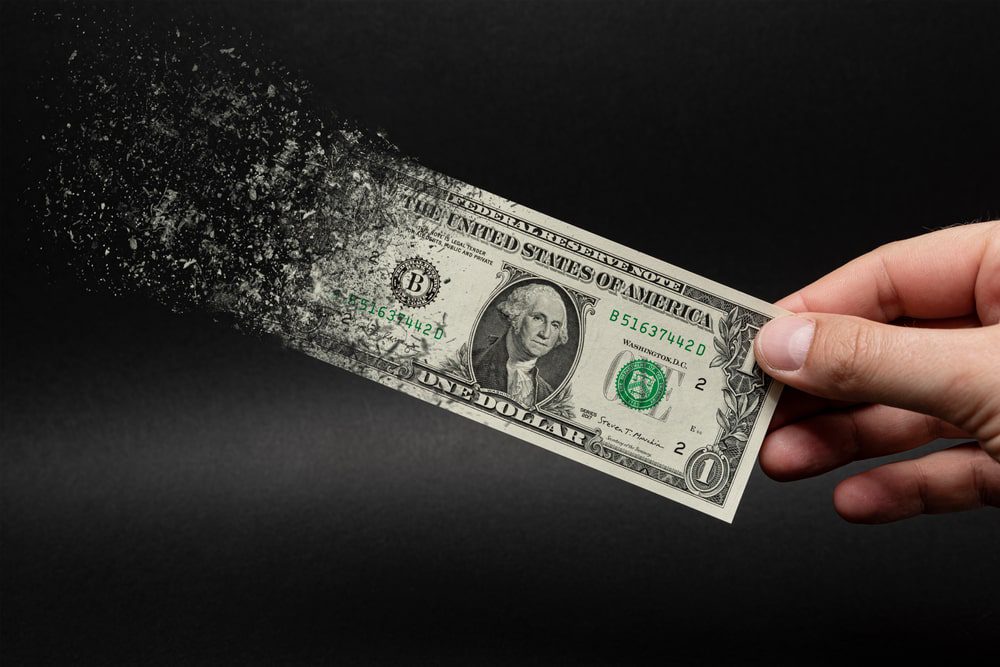
When it comes to understanding the economy, two critical concepts play a major role in shaping our financial lives: inflation and deflation. Both impact the value of money, the cost of goods, and overall economic stability. Let’s explore what they mean, how they affect your finances, and which one poses a greater risk.
What Is Inflation?
Inflation occurs when prices of goods and services rise over time, decreasing the purchasing power of money. A cup of coffee that cost $2 last year might cost $2.50 this year due to inflation. This gradual increase in prices is measured by the Consumer Price Index (CPI) and other economic indicators.
How Inflation Affects You
- Cost of Living Increases: Essentials like groceries, housing, and transportation become more expensive.
- Savings Lose Value: If your savings don’t grow at the same rate as inflation, your money loses purchasing power.
- Investments Can Benefit: Assets like stocks and real estate often rise in value during inflationary periods, offering some protection.
Where to place a picture: A visual representation of inflation over time, showing the rising cost of goods (e.g., historical gas prices chart).
What Causes Inflation?
- Demand-Pull Inflation: Increased demand for goods and services drives prices up.
- Cost-Push Inflation: Rising production costs (like wages or raw materials) push prices higher.
- Monetary Policy: When central banks print more money or keep interest rates low, inflation tends to rise.
What Is Deflation?
Deflation is the opposite of inflation—it occurs when prices of goods and services fall over time. While this might seem like a good thing, deflation can lead to economic slowdowns, lower wages, and decreased business profits.
How Deflation Affects You
- Lower Prices: Consumers pay less for goods and services, making everyday purchases more affordable.
- Job Losses: As businesses make less money, they may cut jobs, leading to higher unemployment.
- Debt Becomes More Burdensome: Since money becomes more valuable, debts become harder to repay.
Where to place a picture: A graph comparing inflationary and deflationary periods in history, highlighting major economic downturns.
What Causes Deflation?
- Decreased Consumer Demand: If people spend less, businesses lower prices to attract buyers.
- Technological Advancements: Increased efficiency in production can drive prices down.
- Tight Monetary Policy: High interest rates and reduced money supply can lead to deflation.
Inflation vs. Deflation: Which Is Worse?
Both inflation and deflation can harm the economy, but most economists agree that deflation is more dangerous in the long run. While moderate inflation (around 2%) is considered healthy, deflation can create a cycle of declining demand, job losses, and economic contraction.
How to Protect Your Money
- During Inflation: Invest in assets that tend to appreciate (stocks, real estate, commodities). Consider inflation-protected bonds.
- During Deflation: Hold onto cash or safe investments like government bonds, which may increase in value.
Where to place a picture: A side-by-side comparison chart of inflation vs. deflation, summarizing key effects on the economy.
Conclusion
Both inflation and deflation have major impacts on personal finance and the broader economy. While inflation erodes purchasing power, deflation can lead to economic stagnation. Understanding these forces can help you make informed financial decisions, whether it’s adjusting your investments, managing debt, or planning for the future.
 Talking Finance .